

Aging well with chronic pain: Advice from a geriatrician
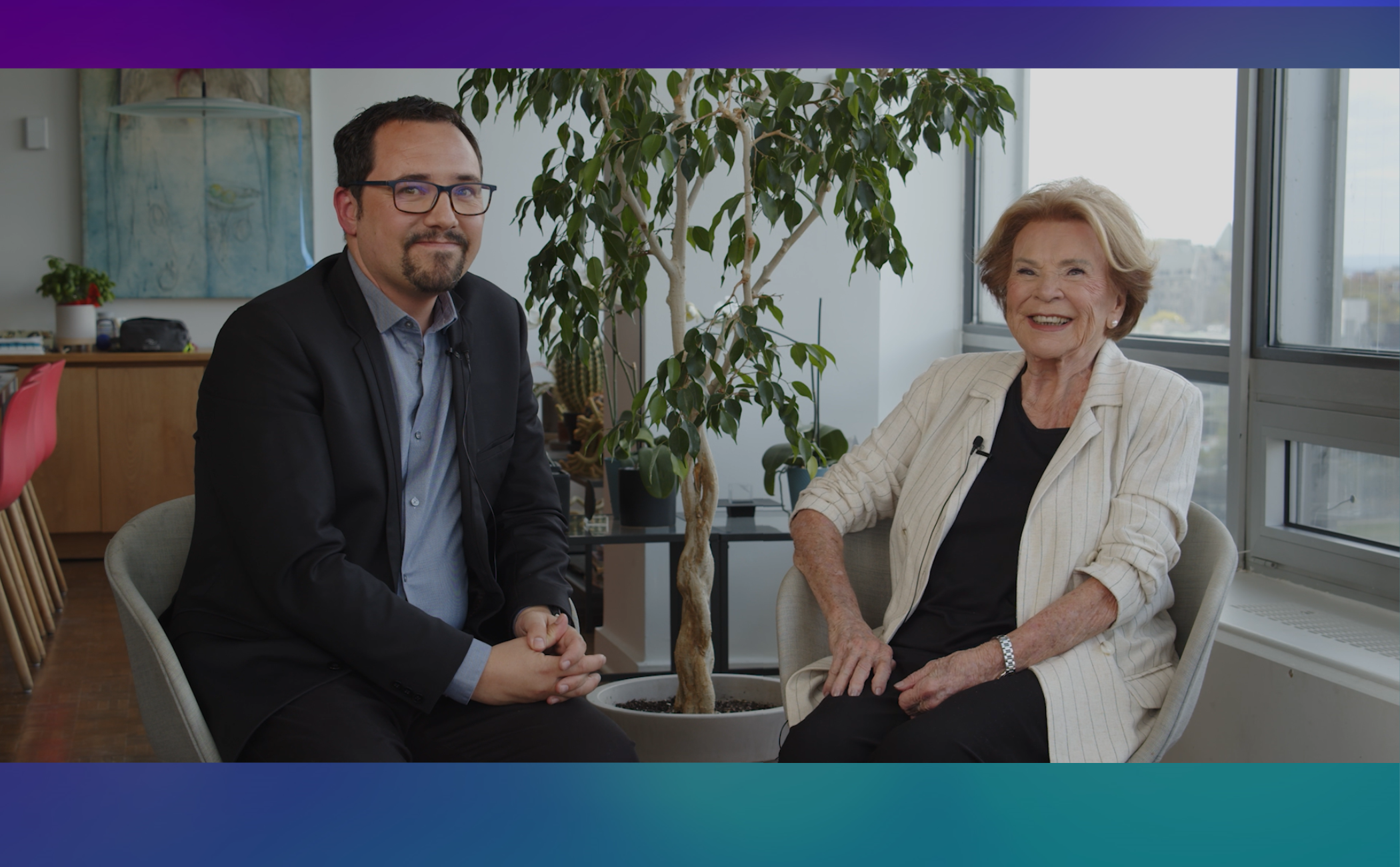
Aging often comes with its share of discomforts, including osteoarthritis, stiffness, and persistent pain. But does that mean we should simply accept them as inevitable? Dr. David Lussier, a geriatrician and director of the Chronic Pain Management Clinic at the Institut universitaire de gériatrie de Montréal, joins Janette Bertrand to discuss practical strategies for coping with pain, staying active, and maintaining quality of life after 65.
Dr David Lussier, Geriatrician and Director of the Chronic Pain Management Clinic,
Institut universitaire de gériatrie de Montréal
Through the Chère Janette campaign, which has given thousands of seniors and caregivers a platform to share their concerns, Janette Bertrand continues a much-needed conversation on aging and well-being. With “her” geriatrician—as she affectionately calls him—she explores a topic that resonates with most older adults: pain.
Whether dull or sharp, constant or intermittent, pain can make daily life difficult, affect mood, and limit leisure activities. That’s why Dr. Lussier dedicates his practice to helping seniors find ways to improve their day-to-day comfort.
Arthritis, osteoarthritis, and aging: When your body sends signals
With age, many people develop arthritis or osteoarthritis. While arthritis involves inflammation of the joints, osteoarthritis happens when the cartilage that cushions the ends of bones gradually wears away. Both conditions lead to pain, which can quickly interfere with daily life.
“We know that women tend to experience osteoarthritis more frequently than men, making them more susceptible to pain,” explains Dr. Lussier. Factors such as changes in temperature and humidity can also exacerbate symptoms.
No one is immune to the natural wear and tear that comes with aging. Still, recognizing that some aches and pains are part of getting old does not mean they should be trivialized or ignored.
Moving despite chronic pain
Dr. Lussier’s key piece of advice is clear: you need to keep moving. While that may seem counterintuitive when you’re in pain, inactivity often worsens the problem, leading to a vicious cycle. The less you move, the stiffer your joints become, your muscles weaken, and your pain increases, further discouraging you from staying active.
On that note, Dr. Lussier often quotes his grandmother, who used to say, “Use it or lose it.” It’s a simple message, but one that perfectly captures the vital role physical activity plays in supporting overall health.
Walking, cycling—one step at a time
According to Dr. Lussier, walking remains the physical activity of choice for seniors. Even those with balance issues can enjoy its benefits with a few adjustments, such as using a walker, wearing protective gear or having someone accompany them.
Another option worth considering is a pedal exerciser. Compact and easy to use, it can be placed on the floor in front of a chair, allowing users to keep their legs active while enjoying their favourite activities.
Finding the right balance between activity and rest
Staying active does not mean ignoring your limits. Rest is just as important to good health. During periods of more intense pain, you may need to slow down. However, spending extended periods in bed is not without consequences, as inactivity can increase stiffness and reduce mobility.
The key is to learn how to pace yourself. Be mindful of your energy levels and choose activities that you genuinely enjoy—activities that also support your mental well-being.
Learning to live with discomfort
As their conversation unfolds, Janette Bertrand and Dr. David Lussier come to a simple yet important realization: aging is a natural part of life. While aches, pains, and other discomforts can’t always be avoided, you can learn how to manage them, stay active, and adapt your activities and pace of life to your changing abilities.
According to the geriatrician, the important thing is for each person to find the strategies that work best for them. Ultimately, everyone is the expert on their own body and should take an active role in their own well-being.
Interested in the topic? Visit the AvantÂge program website to read the fact sheet on managing chronic pain in older adults.Ce sujet vous intéresse ?
In this series
Explore other content from the Chère Janette campaign on topics that matter to you. Learn more
 |
 |
|
| Learn more about neurocognitive disorders | Learn more about the role of family caregivers | |
 |
||
| Learn more about urinary incontinence |
The Foundation would like to warmly thank Québecor, presenting partner of this campaign, as well as Desjardins, partner of the video capsules. A special thank you to the Fondation Mirella et Lino Saputo for their generous contribution to the project.
The Fondation Institut de gériatrie de Montréal supports the development of practical solutions to the challenges associated with aging, while helping to improve quality of life for seniors.
Help us achieve our mission!
Latest news.
A donation from Ébèn résidences pour aînés to benefit people…
Ébèn résidences pour aînés takes meaningful action to support people living with dementia who are long-term residents at the Institut…
Urinary incontinence and pelvic health: Let’s talk about…
With her usual candour and authenticity, Janette Bertrand speaks openly about a topic that is as common as it is…
Alzheimer’s and dementia: What can you do to lower your…
Occasional forgetfulness—like misplacing keys, missing an appointment or having a tip-of-the-tongue memory slip—is part of everyday life for many of…